

PARENTS SHOE GUIDE
The Parent’s Guide to Surviving Winter Footwear Season
Winter sport season is officially here. This means early‑morning sideline shivering, bacon and egg rolls, and the annual discovery that your child’s feet have grown approximately three sizes since last season. Choosing the right sports shoes can feel like navigating a minefield made of rubber studs and neon laces, but you are not alone.
Let’s break it down by sport, by shoe, and by the essential checks you need to make before handing over your credit card and quietly farewelling your savings.
Hard‑Earned Lessons From the Shoe‑Buying Trench’s
Before we dive into footy boots, netball shoes, and runners, here are the universal truths of winter sports footwear:
Good grip is priority number 1. Wet grass, slippery courts, muddy ovals—winter is basically nature’s obstacle course.
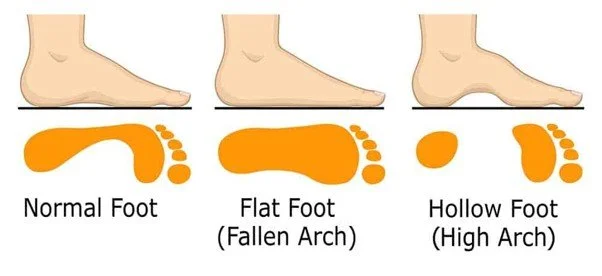
Know how your child’s foot is shaped. Are they flat footed? Do they have high arch? Narrow or wide? Knowing these basics can help guide choices in brands and types of shoes. If you’re unsure, physios, speciality shoe shops or podiatrists can all guide you in what shape and brand will work well for you.
Warm socks matter. But don’t size up “to make room for thick socks.” That’s how ankles get rolled and children end up at the physio.
If your child says, “they feel fine,” investigate anyway. They also say “I brushed my teeth” with a straight face. This means leaving a little bit of room in the toe box (enough for a thumbs width between their longest toe and the end of the shoe) and ensuring that the laces don’t need to be pulled so tight you could play them like a guitar string.
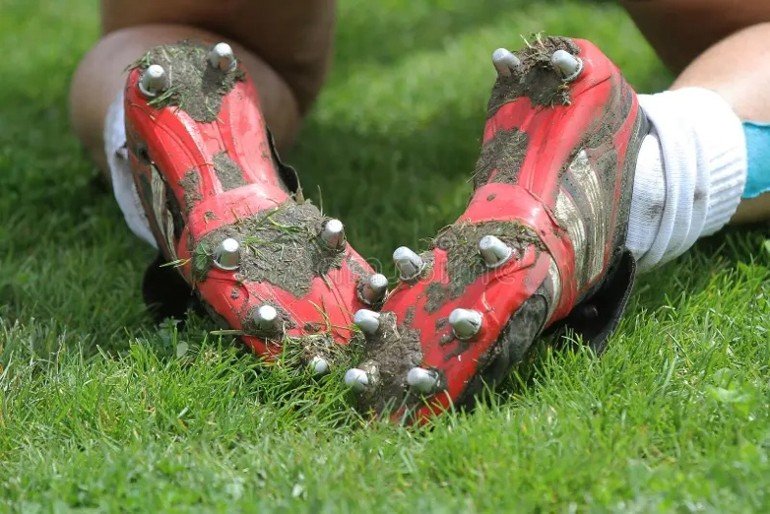
Footy Boots: Tackle this before they tackle each other!
Footy boots are the winter equivalent of snow chains. They need to grip, survive mud, and ideally not smell the car out by round 3 (no promises). Whether it is for rugby union, league, AFL or soccer, this is what to be on the lookout for:
Studs appropriate for your sport and field.
Soccer: conical studs for multi‑directional movement.
Aussie rules: slightly longer studs for grip on soft grounds.
Rugby: often requires metal studs - check your club rules unless you enjoy awkward conversations with referees.
A snug but not toe‑crushing fit. You want the “firm handshake” of fits, not the “I’m being held hostage” fit. Making sure they won’t slip off without pulling the laces as tight as they go is also vital to protect the top of the foot.
Synthetic uppers for winter. Leather is lovely, but synthetic dries faster and doesn’t absorb half the oval.
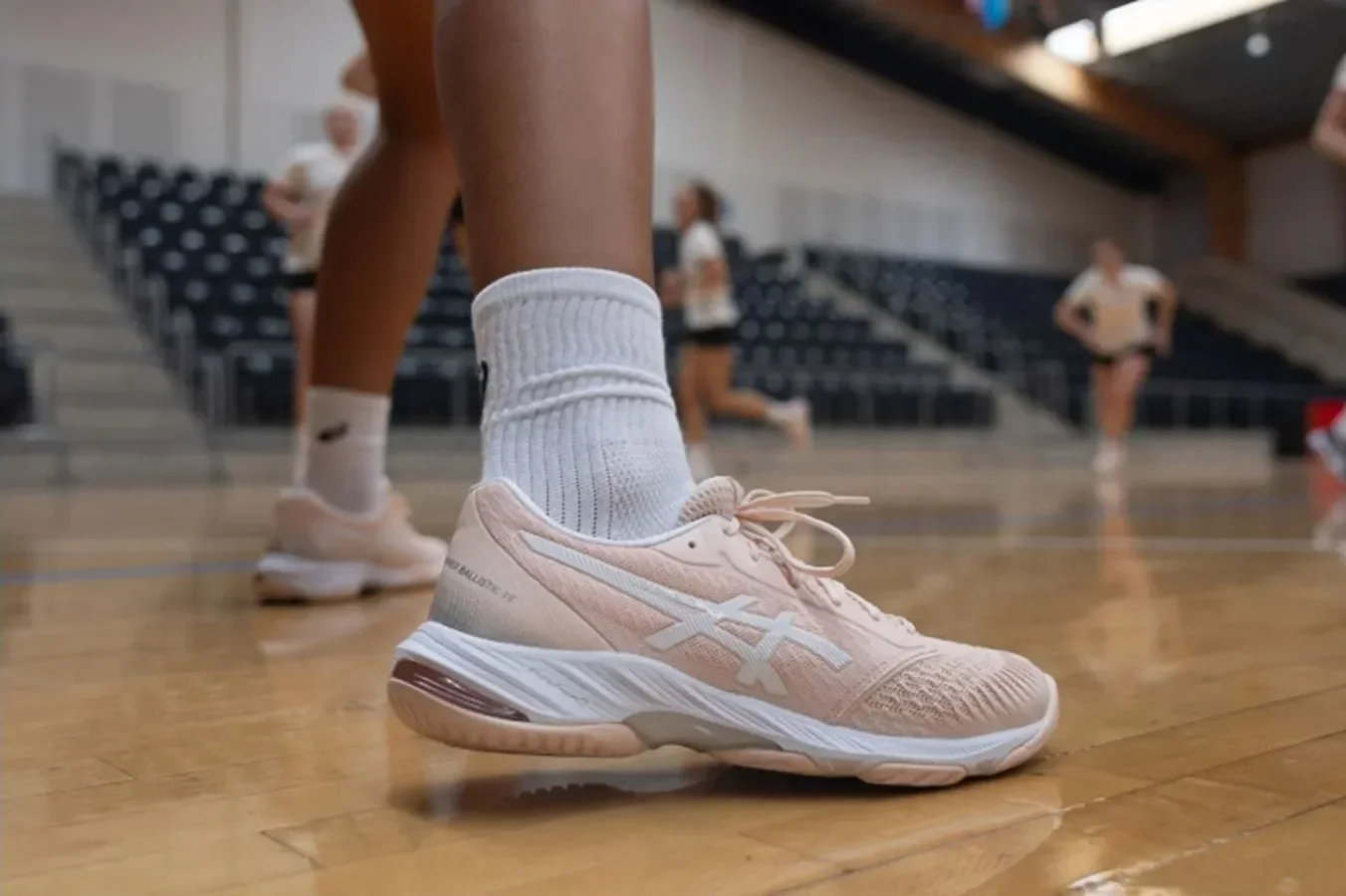
Netball Shoes: Built for Quick Stops, Fast Starts, and Sudden Direction Changes
Netball shoes are basically the Formula 1 tyres of kids’ sport - designed for speed, stability, and the occasional dramatic pivot.
What to Look For:
Lateral support. Netball is all about side‑to‑side movement. Running shoes won’t cut it—they’re built for forward motion, not the “I’m dodging imaginary defenders” shuffle. In saying this, if your kids are prone to shin splints or sore legs after running, a runner with good arch support is sometimes a great substitute (think your centre players who are doing court to court shuffles for all 4 quarters).
Durable outsoles for hard courts. Winter courts can be slippery, dusty, or wet. A good netball shoe grips like a teenager holding their phone. This may also mean that two different shoes for outdoor and indoor courts may be needed, depending on how often your child is playing.
Reinforced toe area. Kids drag their toes when they stop. It’s a universal law.
Cushioning that doesn’t feel like a marshmallow. You want shock absorption, not a trampoline.
Room to fit ankle guards and taping if needed (especially as kids get older).
Bonus Parent Tip
If your child plays Centre, invest in good shoes. They run more in one quarter than you do in a week. Sometimes forgoing a netball shoe for a sturdy runner with more cushioning can prevent injuries like shin splints and knee pain. Brooks Glycerin or Asics Kayano’s are good options here.
Runners: For Training, Cross‑Country, and “Mum, I Need These for School Too”
Runners are the Swiss Army knife of kids’ footwear. But winter adds a few extra considerations.
What to Look For:
Good tread. Smooth soles + wet grass = a child sliding past you like they’re on a slip and slide.
Water‑resistant uppers. Not waterproof - just enough to stop dew from soaking through before 8:30am, but not enough to turn their shoes into a sauna.
Firm heel counter. Squeeze the back of the shoe. If it collapses or feels flimsy put them back and find another.
Room for growth (but not too much). Aim for a thumb’s width at the toe. Not two thumbs. Not “they’ll grow into it by Year 9”. Too big shoes are asking for rolled ankles from falling in holes and tripping over toes.
As kids get older and begin to grow into adult bodies, they can start to trial shoes with more bounce and higher propulsion. However, until they have finished growing and have good strength globally, they should steer clear of carbon plated shoes, regardless of what their favourite Instagram influencer says.
Bonus Parent Tip
If your child insists, they need the fastest runners, remind them that speed mostly comes from training… not from shoes that cost more than your weekly grocery shop.
Final Thoughts: You’ve Got This
Choosing winter sports shoes for kids is a bit like choosing a car: you want safety, durability, and something that won’t fall apart the moment it hits a puddle. The good news is that once you know what to look for, the whole process becomes much less overwhelming - and maybe even a little fun.
And remember: no matter what shoes you buy, your child will still come home covered in mud, missing one sock, and insisting they’re starving. That’s winter sport magic.