DISTANCE RUNNING
Why is running cool again?



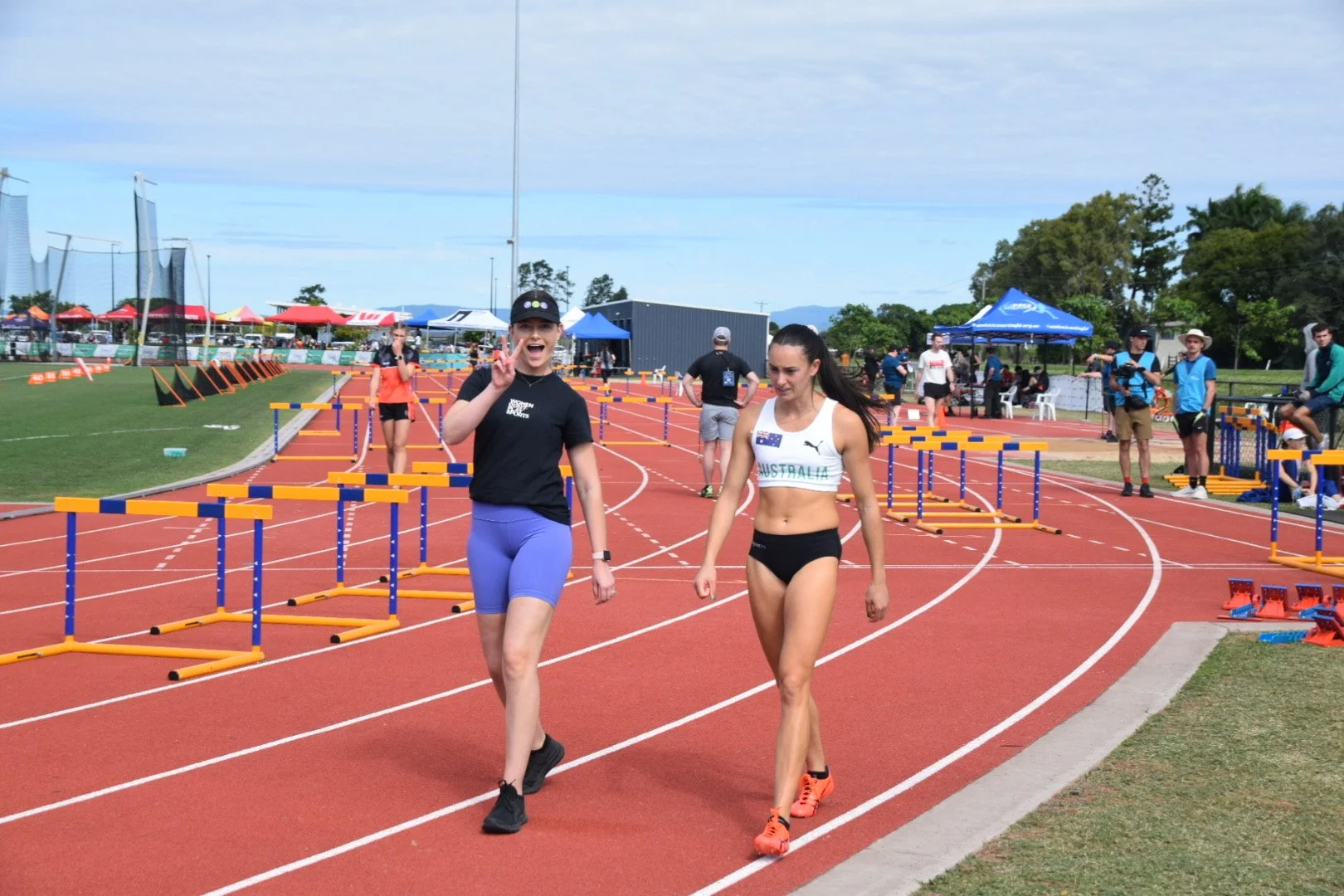
Hi, I’m Mel Logan, a sports physiotherapist and running coach. While I mainly work with elite sprinters and hurdlers, over the past three years I’ve noticed a rise in significant injuries among recreational distance runners. I’m not complaining; I love treating runners and educating them on staying fit and healthy. However, these are common issues I’ve seen coming into the clinic and could be avoided with professional advice.
1. Increasing volume and intensity at the same time = broken bodies
Let’s keep it simple. In distance running, two key variables are volume and intensity. So, how far am I running compared to how fast?
***LOAD TIP*** You can’t increase both simultaneously and expect a healthy body. I always discuss running frequency, distance, hills, surface changes and pace preferences with my patients. Do you run to feel or do you prefer a set pace?
Due to time constraints, most people complete their longest run over the weekend. To ensure their bodies have adequate time to adapt to increased volume, I gradually increase my patients’ longest runs over weeks and months. We then plan shorter runs during the week with their shortest run focusing on intensity or speed. This approach allows us to work on both volume and intensity throughout the week while maintaining overall health.
2. Not creating a running program when training for a race
If you’re running for enjoyment and don’t feel the need to enter a race, this isn’t for you. However, I see many patients who sign up for races but don’t dedicate enough time or structure to their preparation. No matter your running level, whether it’s a 10km or half marathon, I strongly recommend starting your training six months in advance. For a marathon, I’d suggest a 12-month plan to ensure you reach the finish line and feel satisfied with your performance. There’s nothing worse than training hard for a long time only to have your body break down or not achieve your goals.
To avoid this, be realistic about how long it takes to safely build either volume or intensity. Start by mapping out your weekly and monthly structure on a calendar. Consider how many times per week you need to run and how far. Think about how you’ll vary the volume of your runs throughout the week and when you’ll have a de-load week. I recommend every 3-4 weeks, depending on how hard you’re pushing yourself. Also, consider your work and lifestyle commitments when structuring your training.
*** PROGRAM TIP*** If you work a physical job, it’s probably not ideal to fit your long run in on a Thursday morning. This is nearing the end of the working week and you will be fatigued. I suggest Sunday is the best day for the most taxing run. You will be feeling fresh after using Saturday as a rest day and get the best out of your body without risking injury.
3. Incorrect choice of footwear
As a physio and running coach, I’m struggling to keep up with the constantly evolving running shoe market. The sheer variety and technological advancements across brands are overwhelming, particularly with the growing popularity of carbon fibre plates and foam technology.
If you’re new to running, you don’t need the top-of-the-range shoe with a carbon fibre plate. You likely don’t have the strength or capacity to use it effectively and your body will break down. When shopping, consider lighter foam shoes for shorter faster runs and structured shoes for longer runs.
For serious shoe shopping, I recommend Run Havoc in Wollongong. They have a fantastic range and knowledgeable staff who can help you find the right shoe for your level and distance. Plus, you can try them on the treadmills in-store.
***SHOE TIP *** if it ain’t broke don’t fix it. If you’re genuinely happy with a shoe and it’s been reliable for a while don’t change it. I know your mate is smashing PB’s in the latest ASICS release but that doesn’t guarantee it’ll suit you.
4. Not completing adequate strength work in the gym
Patients often focus on kilometres and overlook the importance of regular strength training for enhancing running technique and coordination. For those without a gym membership, I suggest three short home strength sessions a week or one to two sessions at a local gym per week.
Strengthening our glutes, hamstrings and calves is a great foundation. I always include single-leg exercises in my strength programme because running involves single-leg stances. While I’m not impressed by how heavy you can squat with a barbell, I love seeing single-leg squats performed in running form with excellent technique.
***GYM TIP*** Keep it simple. Avoid the complex Instagram exercises and focus on running-specific positions and movements. For hip extension, a single-leg bridge, single-leg hip thrust or reverse lunge are my favourites. Finish with hamstring curl variations and quality barefoot calf raises.
Congratulations! You’ve reached the end and I hope this has been helpful. Unfortunately, I’m about to go on MAT leave for six months but I’ll return to the clinic in February 2027 to support you with all your running goals and needs!
Melissa Logan
APA Sport & Exercise Physiotherapist
Athletics Australia Level 3 Sprints & Hurdles Coach
ASCA Level 2 Strength & Conditioning Coach