

HEADACHES – Should I See a Physiotherapist for My Headaches?
Short answer:Most likely, yes!
Long answer: There are many causes of headaches, including cervicogenic headaches, migraines, temporomandibular (jaw-related) headaches and tension headaches, to name a few. Many of these can be effectively treated with physiotherapy.
Unfortunately, there are also more serious causes of headache, such as brain tumours, aneurysms, cerebrospinal fluid (CSF) leaks, meningitis and other medical conditions. These are known as red flags and cannot be treated with physiotherapy. Recognising these conditions is an important part of every physiotherapy assessment.
So, Which Headaches Can Be Treated with Physiotherapy?
Cervicogenic Headaches
Cervicogenic headaches are typically mild to moderate headaches that are usually, but not always, one-sided. They are often (but not always) triggered by neck trauma or aggravated by certain postures, positions or activities.
With a cervicogenic headache, the neck is the true source of irritation, but the brain interprets this pain as coming from the head (similar to how pain from a heart attack can sometimes be felt in the arm).
Migraines
Migraines can be extremely debilitating. The head pain is often moderate to severe and may (but does not always) occur alongside aura symptoms (such as blurred vision or flashing lights) or vestibular symptoms (such as dizziness or balance problems).
Migraines are considered a primary headache disorder, meaning the exact cause is still not fully understood. Traditionally, migraines have been viewed as separate from cervicogenic headaches. However, research suggests that many people with migraines also have dysfunction or increased sensitivity in the upper neck. As a result, physiotherapy can play an important role in managing migraine symptoms, particularly when neck pain or stiffness is present. While physiotherapy is not a cure for migraines, it may help reduce their frequency, severity or associated disability in some people.
Temporomandibular (TMJ) Headaches
The temporomandibular joint (TMJ) and the surrounding muscles can also become irritated. Like the neck, pain originating from the jaw can be interpreted by the brain as head pain.
Physiotherapists with a special interest in TMJ disorders and dentists can both play an important role in assessing and treating jaw-related headaches.
What Might a Physiotherapist Do?
Your physiotherapist will perform a thorough assessment to identify the most likely source of your headache while also screening for any red flags that may require urgent medical attention or referral.
Depending on your presentation, treatment may include:
Manual therapy (including massage and joint mobilisation)
Dry needling (where appropriate)
Mobility and strengthening exercises
Postural and ergonomic advice
Education about headache triggers and self-management
Lifestyle and activity modification
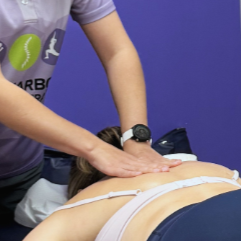
Treatment is then reinforced with an individualised rehabilitation program designed to improve long-term outcomes and reduce the likelihood of headaches returning.
Red Flags
Before you start thinking physiotherapists can treat everything... think again!
Physiotherapy cannot treat headaches caused by serious medical conditions, including:
Intracranial (Inside the Skull) Conditions
Brain tumours
Aneurysms
Cerebrospinal fluid (CSF) leaks
Cranial vasculitis
Acute fractures
Medical or Systemic Conditions
Meningitis
Significant infections
Thyroid eye disease
Iron deficiency
Other metabolic or inflammatory disorders
When Should You Seek Urgent Medical Attention?
Seek urgent medical assessment if you experience any of the following:
A sudden, severe headache ("thunderclap headache")
A new or unusual headache if you are over 50 years of age
A headache in someone with a history of cancer or autoimmune disease
Neurological symptoms such as facial drooping, weakness, numbness, difficulty speaking, vision loss, blurred vision or an unsteady gait
A headache following trauma or a blow to the head
Fever accompanied by a stiff neck, confusion or a rash
Headaches that become significantly worse with coughing, sneezing, bending over or straining
Headaches that continue to worsen despite treatment or medication
If your physiotherapist is concerned about any of these conditions, they will refer you promptly to the appropriate healthcare provider for further assessment.
Nerd Alert 🤓
Read on if you're interested in how the neck can contribute to headaches. Otherwise, if you're experiencing headaches, book an appointment with one of our physiotherapists. We'll help identify where your headache is coming from and develop a treatment plan tailored to you.
How Can the Neck Cause Headaches?
One of the leading theories behind cervicogenic headaches (and one reason physiotherapy may also help some people with migraines) involves the way nerves from the neck communicate with the brain.
Your nervous system contains:
Efferent nerves, which carry messages from the brain to your muscles and joints.
Afferent nerves, which carry information from your muscles, joints and other tissues back to the brain.
The afferent nerves from the upper cervical spine carry information from the neck joints and surrounding muscles into the brainstem, where they connect within an area called the trigeminal nucleus. This is also where sensory information from the face and scalp (via the trigeminal nerve) is processed.
One theory suggests that if the trigeminal nucleus becomes sensitised by increased input from the upper neck, it may begin interpreting otherwise normal sensory information as pain. Everyday stimuli—such as hormonal fluctuations, changes in blood vessel diameter or increases in temperature—may then contribute to a headache in someone whose nervous system is already sensitised.
Similarly, increased signalling from pain receptors (nociceptors) in the upper neck may be perceived by the brain as pain in the face or scalp, even though the true source of irritation is the neck.
By improving movement, reducing irritation and decreasing sensitivity in the upper cervical spine, physiotherapy may help reduce this sensitisation, allowing normal sensory information from the neck and face to be processed without triggering headache pain.
Disclaimer:
This information is intended as general education only and should not replace individual medical advice. If you experience any of the red flag symptoms listed above, seek urgent medical assessment. If you're unsure about the cause of your headaches, a physiotherapy assessment can help determine whether physiotherapy is appropriate or whether further medical investigation is needed.